
Elle Watts
Founder & Lead Aesthetics Specialist, Visage Medispa
Medically reviewed by Elle Watts, Founder & Lead Aesthetics Specialist, Visage Medispa. Last reviewed 19 March 2026.
Regenerative aesthetics is the fastest-growing category in our consultation diary. Here is what it actually is, why it matters, and how we use it across treatment plans in Weybridge.
What is regenerative aesthetics? It is a family of treatments that do not add volume, shape or movement-modification. Instead, they prompt the skin and underlying tissue to repair, regenerate and improve itself. The category includes polynucleotides, PRP (platelet-rich plasma), exosome therapy and certain advanced peptide preparations.
Why it matters. For two decades aesthetics was dominated by toxin (movement-modifying) and filler (volumising). Regenerative treatments add a third axis: improving the underlying biology of the skin itself. They reduce reliance on filler in younger patients, they improve outcomes from other treatments, and they offer options for areas, particularly under the eyes, where conventional volumising is risky or inappropriate.
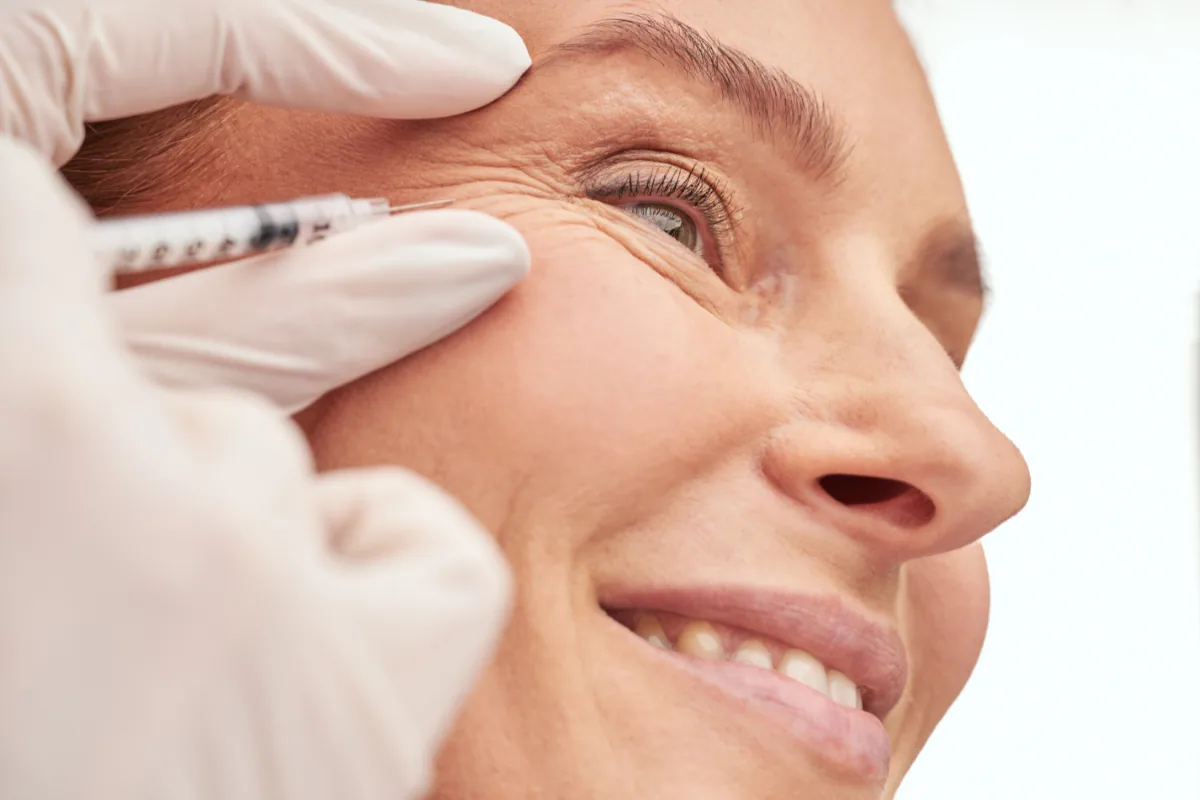
How we use them in clinic. Polynucleotides have transformed how we treat the under-eye area at Visage. PRP remains highly effective for skin quality, hair loss support, and post-laser recovery. We integrate regenerative work into broader programmes, typically a two to three session course of polynucleotides paired with skin boosters, monthly Hydrafacial, and conservative injectables where indicated.
Why Surrey clients are particularly drawn to it. The brief we hear most often in 2026 is some version of 'I want to look like a healthy, well-rested version of myself, not a filled-up version'. Regenerative treatments answer that brief better than any other category. They produce a quality of glow and skin quality that the trained eye associates with youth and that the untrained eye simply registers as 'she looks well'.
Realistic expectations. Regenerative work is progressive, not immediate. Best results come from a course of two to three sessions and continue to develop for two to three months after the final treatment as new collagen forms. The clients who are happiest with it are those who commit to a programme rather than expecting an immediate, visible change after a single appointment.
Ready to begin?
Book a complimentary consultation
Speak with one of our practitioners about the treatments discussed in this article.