Elle Watts
Founder & Lead Aesthetics Specialist, Visage Medispa
Medically reviewed by Elle Watts, Founder & Lead Aesthetics Specialist, Visage Medispa. Last reviewed 9 December 2025.
Platelet-rich plasma sits at the intersection of medicine and aesthetics. It uses no synthetic product, no foreign substance, just your own healing factors, concentrated and reintroduced where they are needed most.
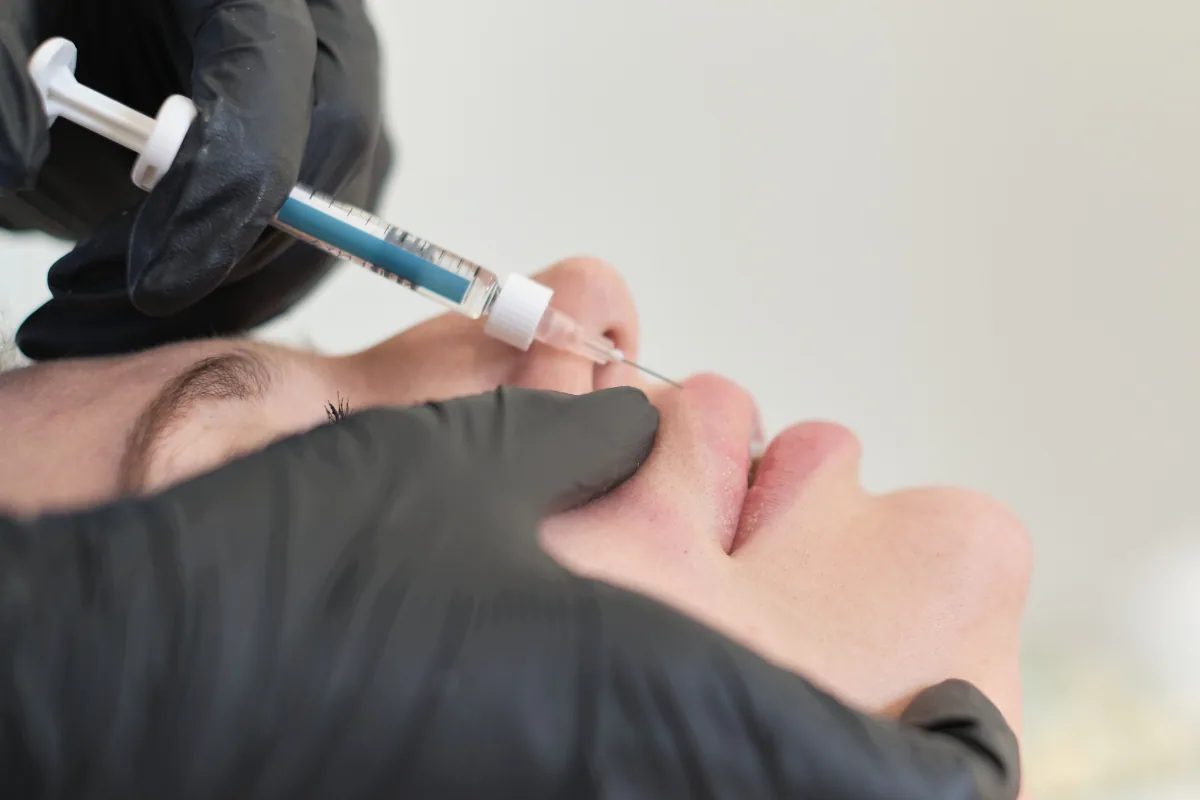
The premise of platelet-rich plasma, or PRP, is unusually elegant. A small volume of your own blood is drawn, spun in a centrifuge to separate its components, and the platelet-rich fraction is reintroduced into the skin or scalp. Platelets carry the growth factors that orchestrate your body's natural wound-healing response. When delivered directly into ageing or thinning tissue, they support healthier function in a way that synthetic products cannot replicate.
Because PRP uses your own biology and contains no synthetic active, the risk of allergic reaction is very low compared with foreign-substance injectables. There is no product to dissolve and no long metabolism period to wait through. The trade-off is that results are gradual. The regenerative response typically unfolds over six to twelve weeks per session, and most patients undertake a course of three sessions, four to six weeks apart.
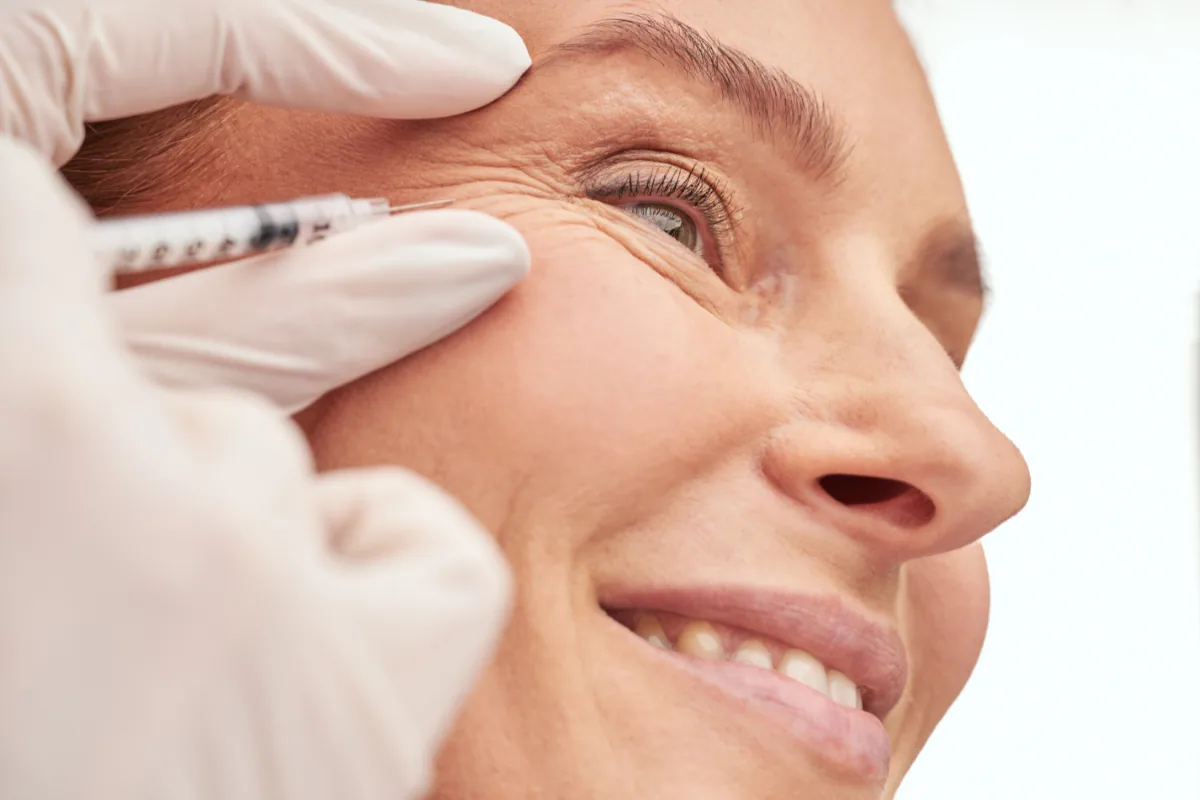
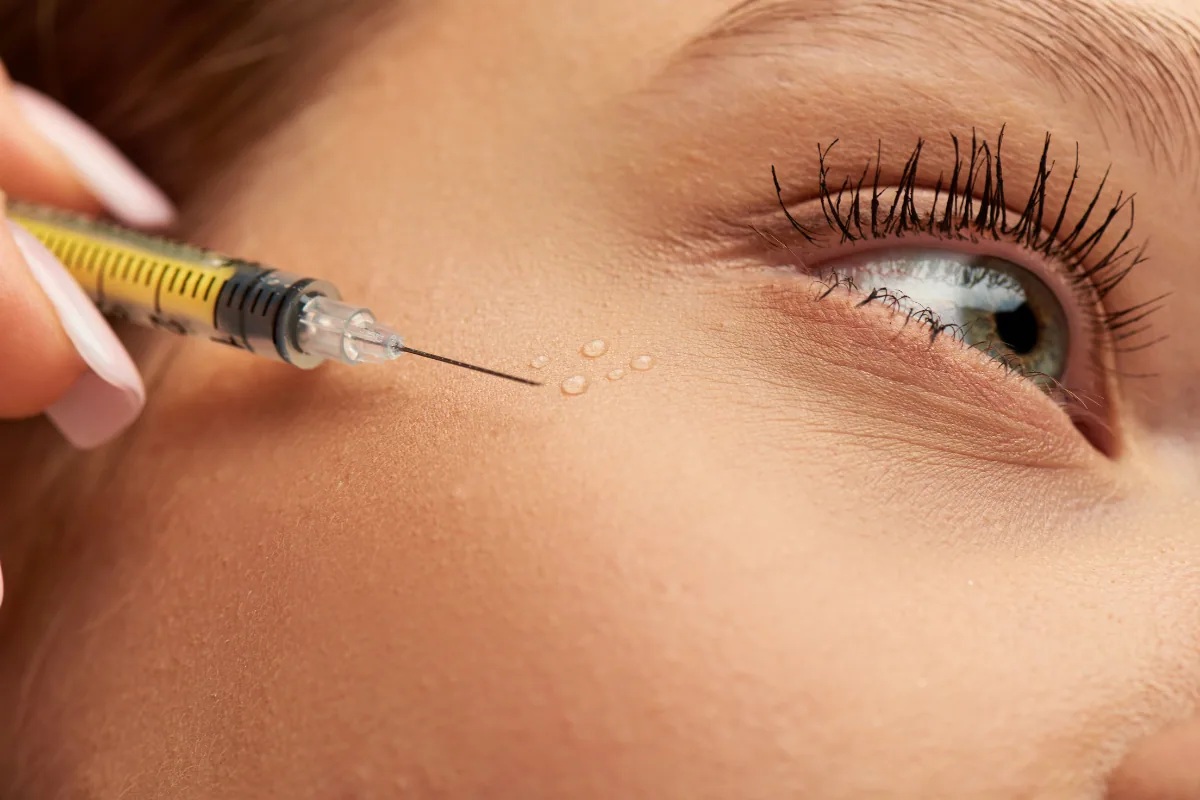
In facial aesthetics, PRP can improve skin texture, soften the appearance of fine lines and mild acne scarring, and support brighter overall tone. It is particularly useful for patients who prefer to avoid traditional fillers but want a meaningful improvement in skin quality. We frequently combine it with microneedling, the so-called 'vampire facial', where the micro-channels created by the needles allow PRP to penetrate deeper than topical application would permit.
In trichology, PRP has become one of the most evidence-supported non-pharmaceutical treatments for early to moderate androgenetic hair loss. Injected into the scalp at the level of the hair follicle, the growth factors appear to extend the active growth phase of the hair cycle and improve follicle health. Patients with diffuse thinning often see noticeable density improvement after three sessions, with maintenance every six months thereafter.
What PRP cannot do is restore hair to a completely bald area where the follicles are no longer biologically viable, nor replace structural volume loss in the face. It is a regenerative treatment, not a restorative one. Patients we judge unsuitable on those grounds are told so clearly at consultation, and often offered an alternative pathway that better suits the underlying concern.
For patients in Weybridge and surrounding Surrey towns who prefer the most natural treatment approach available, with nothing synthetic and no commitment to long-term product use, simply their own biology directed and amplified, PRP remains, in our considered view, one of the most beautiful tools in modern aesthetics.
Ready to begin?
Book a complimentary consultation
Speak with one of our practitioners about the treatments discussed in this article.