Charlotte Jones
Salon Manager & Senior Therapist, Visage Medispa
Medically reviewed by Elle Watts, Founder & Lead Aesthetics Specialist, Visage Medispa. Last reviewed 23 April 2026.
Polynucleotides are not filler, not Profhilo, and not Botox. They are a genuinely new mechanism, and one of the most exciting developments in regenerative skin medicine in the last twenty years.
Every few years the aesthetics industry develops a genuine obsession with a new injectable. Most of these obsessions are marketing-led and fade within a season. Polynucleotides are different. They have been used in regenerative medicine, in wound healing, joint repair and ophthalmology, for over two decades, and their arrival in aesthetic clinics across Surrey and London is the result of clinical evidence, not hype.
The active ingredient is a short chain of nucleotides derived, in most reputable products, from purified salmon DNA. Once injected into the dermis, these fragments act as a scaffold for fibroblasts, the cells responsible for producing collagen, elastin and hyaluronic acid. They do not add volume. They do not paralyse muscles. They trigger your own skin to behave more like it did when it was younger.
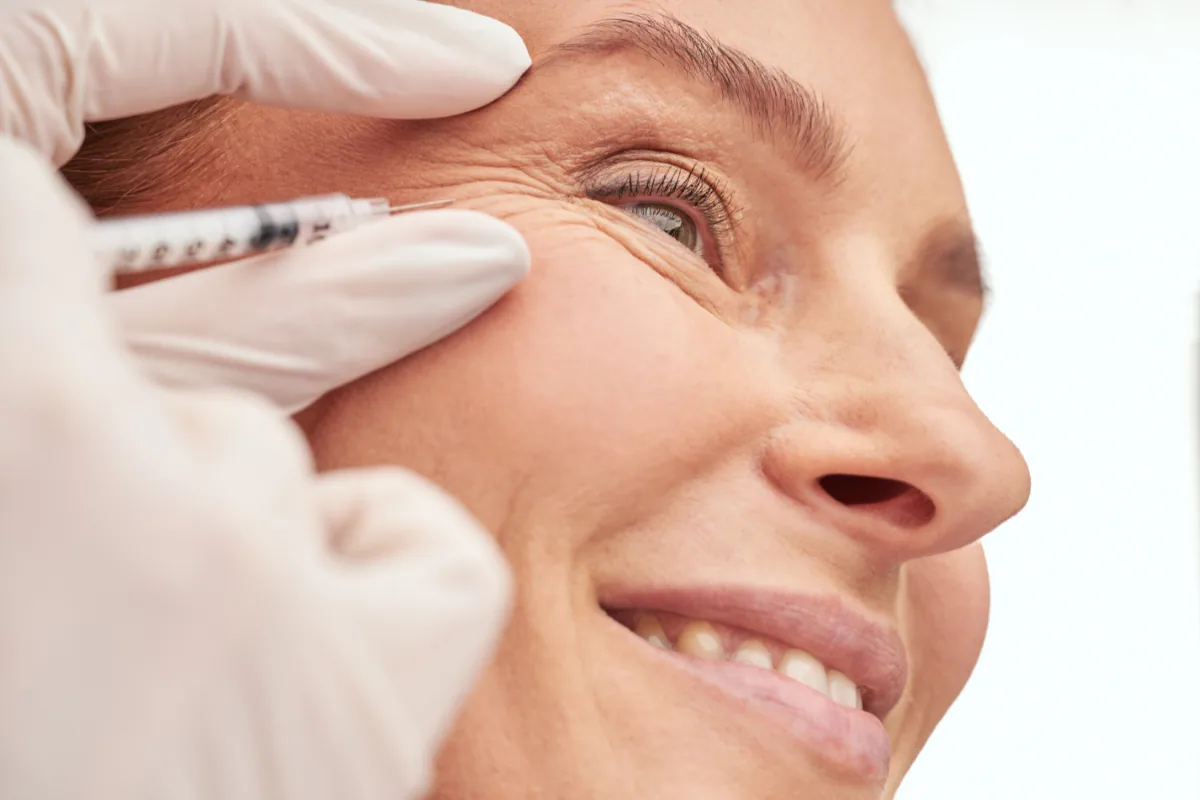
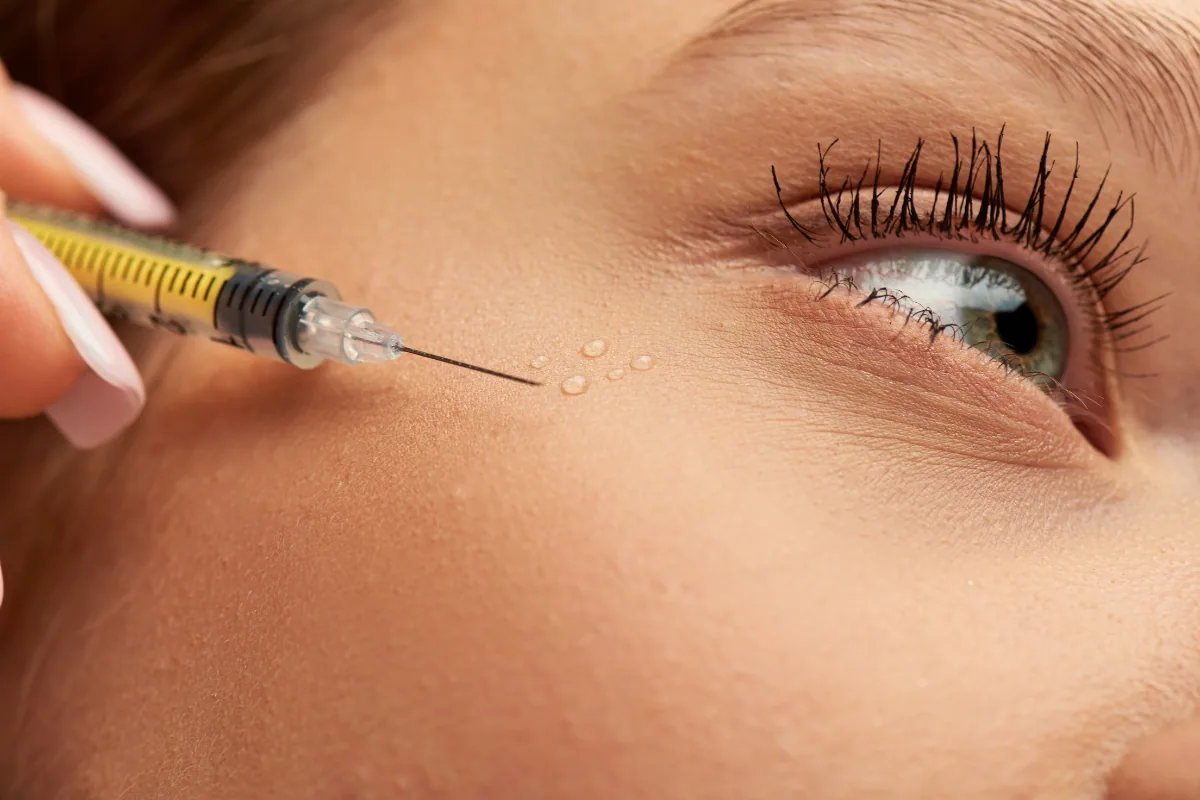
What this looks like in practice is a gradual but striking improvement in skin quality over six to twelve weeks. Patients describe it as their skin 'waking up'. Thin, crepey skin under the eyes, one of the hardest areas to treat with any injectable, responds particularly well, which is why polynucleotides have become a favoured tear-trough alternative for patients we judge unsuitable for traditional filler.
The treatment is delivered as a course of two to four sessions, two to four weeks apart, with results continuing to develop for several months after the final session. We typically recommend a maintenance session every six to nine months thereafter. There is mild swelling for 24 to 48 hours, occasional bruising, and no other meaningful downtime.
Polynucleotides also pair beautifully with other treatments. We frequently combine them with Profhilo for patients whose skin needs both hydration and regeneration, or layer them after dermal fillers to soften and improve the tissue surrounding the structural work. At Visage we view them as one of the most versatile additions to a long-term skin programme.
If you are bored of asking yourself whether to start filler, and uncertain whether you want to, polynucleotides offer a middle path: meaningful biological change, no visible alteration, no commitment to anything you cannot easily walk back. For many of our patients in Weybridge, that combination has become irresistible.
Ready to begin?
Book a complimentary consultation
Speak with one of our practitioners about the treatments discussed in this article.