Charlotte Jones
Salon Manager & Senior Therapist, Visage Medispa
Medically reviewed by Elle Watts, Founder & Lead Aesthetics Specialist, Visage Medispa. Last reviewed 29 January 2026.
Chemical peels are one of the most clinically validated treatments in dermatology. They are also one of the most poorly explained. Here is what they really do, who they really suit, and how we choose strength.
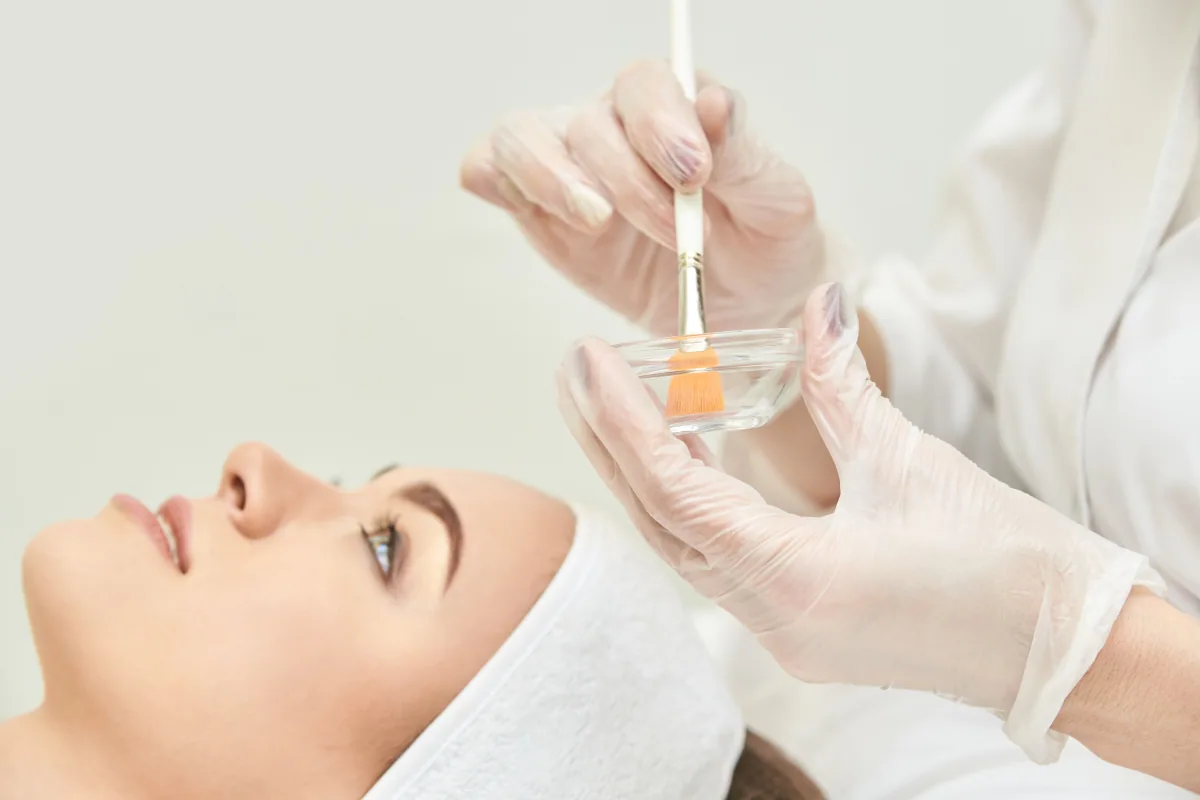
Mention a chemical peel to most people and they will picture either a flaky-faced film montage or a celebrity confessing to a botched cosmetic mishap. The reality is far less dramatic, and far more useful. Chemical peels are simply a category of professional skin treatment that uses controlled application of acids to remove unwanted layers of skin and trigger renewal. They have been in clinical use for more than a century. Done properly, they are among the most cost-effective treatments in aesthetics.
Peels are typically divided into three categories by depth. Superficial peels, most commonly using alpha-hydroxy acids like glycolic, lactic or mandelic acid, work only on the upper layer of the epidermis. They brighten dull skin, soften fine lines, reduce mild pigmentation and improve general radiance. Downtime is minimal, often nothing more than light flaking for a few days, and they can be repeated every two to four weeks as part of a maintenance programme.
Medium-depth peels use stronger acids, typically trichloroacetic acid (TCA) at 15 to 35% concentration, often combined with other actives, to reach the upper dermis. These address more entrenched concerns: moderate sun damage, melasma, post-inflammatory hyperpigmentation, mild acne scarring, and the early signs of texture change. Downtime is real: visible peeling for five to seven days, sometimes longer, and meticulous sun avoidance for several weeks. The results, however, are often striking.
Deep peels, the phenol-based protocols, are rarely performed outside of dedicated medical settings and are not part of our offering at Visage. The risks, recovery and pigmentary considerations are significant enough that we view them as a specialist surgical referral when truly indicated.
Choosing the right strength is the part that matters most. A patient with skin of colour requires a fundamentally different protocol from a fair-skinned patient, because the risk of post-inflammatory hyperpigmentation is meaningfully higher. A patient currently on certain medications, with active eczema, or with a recent retinoid history may need to defer treatment entirely. None of this is unusual, and none of it is a reason to be discouraged. It is simply the reason a proper consultation matters.
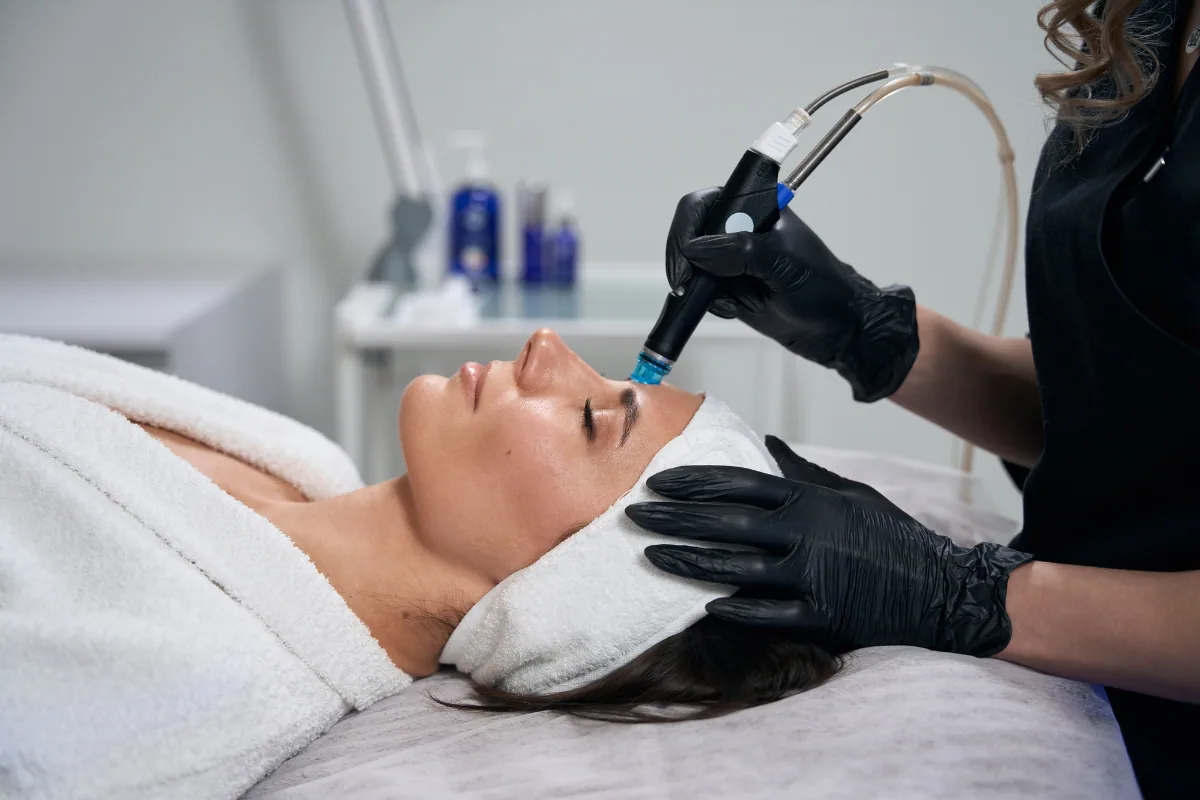
At our Church Street clinic in Weybridge we frequently combine peels with other treatments, perhaps a Hydrafacial in the same week to deeply hydrate freshly resurfaced skin, or polynucleotides in the same month to accelerate regeneration. The art is in the sequencing, and that is the part you should expect a serious clinic to take time over.
If you have been put off peels by an outdated mental image of red, raw, oozing skin, set that picture aside. The modern protocols are calibrated, controlled, and quietly transformative, exactly the kind of treatment we believe in.
Ready to begin?
Book a complimentary consultation
Speak with one of our practitioners about the treatments discussed in this article.